(904) 641-1131
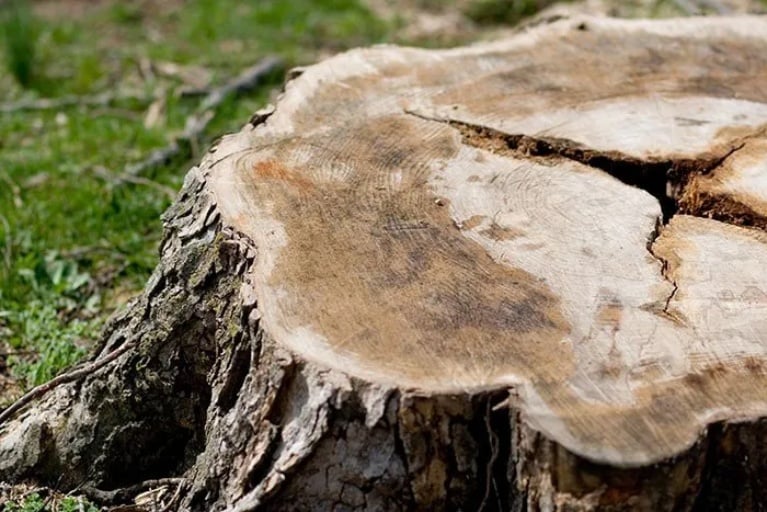
This blog lists five indications that it’s time to have a tree removed. Contact Big Ben’s Tree Service for professional tree service removal.
The Tree Shows Signs of Internal Decay
Once a tree has begun to experience significant internal decay, it’s probably too late to save it. Visual signs of decay on the outside of the tree generally indicate that the interior is almost completely dead.
One of the most common outward signs of internal decay is the presence of fruiting fungal organisms. If you see mushrooms, for instance, near the base of one of your trees, you may think they provide a charming, woodland appearance, but chances are almost certain that the tree is either rotten inside or close to it.
Fungal structures known as conks appear on the branches and trunks of trees that are afflicted with fungal infections. Conks are raised surfaces that come in a large variety of sizes and are frequently shaped like hooves.
Trees with internal decay are susceptible to falling over, and these trees don’t need high wind activity for that to happen. Another risk of leaving trees infested with fungal colonies untreated is that the infection may spread to other vegetation. It’s best to be cautious when internal decay is a part of the picture and have the tree removed by a professional service.
The Tree Suddenly Develops a Lean
A little bit of lean is normal for most tree species, and it’s likely that the roots of these trees have developed the lean in a way that promotes optimal stability. However, a tree that develops a sudden lean is a tree in trouble.
A sudden lean is a strong indication that the root system has become unstable and that the tree needs to receive professional attention as soon as possible. Cracked or heaving soil on the opposite side of the lean is a strong indication that the tree presents a serious danger.
The Tree Is a Fire Hazard
That gorgeous, tall evergreen growing near your home may be a fire hazard. An evergreen’s sap is more flammable than that of deciduous hardwoods, so if you live in an area where there are significant risks of wildfire activity, you should consider removing any highly flammable plant material.
Your tree care professional can do an assessment of your property to determine best practices for managing your landscaping in a way that minimizes fire danger.
Keep in mind that although mature trees can add a great deal of value to your property, they can also pose risks that most homeowners simply aren’t equipped to handle on their own. Please feel free to contact the experts at Big Ben’s Tree Service with any questions you may have about your trees.